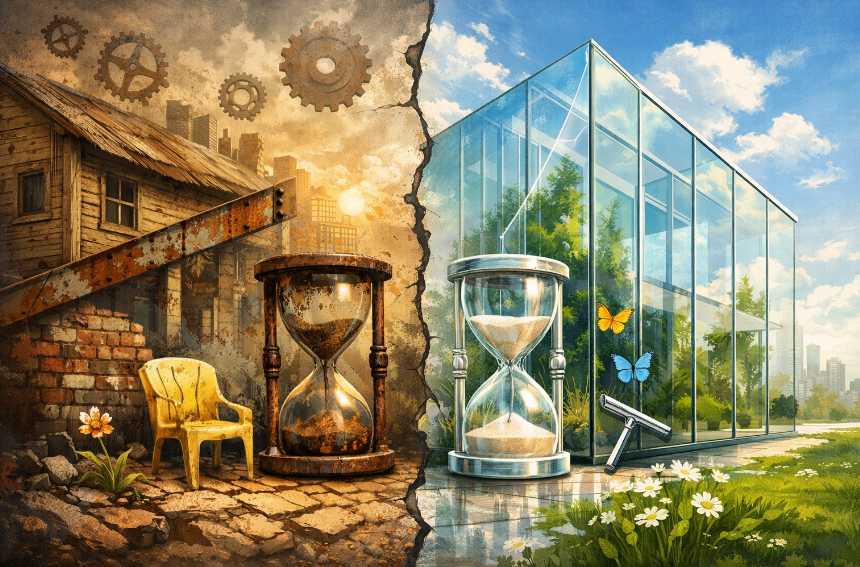
This isn’t magic. It’s chemistry, physics, and a bit of good design sense working together in a way that makes glass one of the most quietly durable materials available for architecture. While it might not shout about its resilience, it certainly demonstrates it over decades.
Why Glass Doesn’t Play by the Same Rules
Most materials degrade because they react with their environment. Oxygen, moisture, UV radiation, and temperature changes all chip away at structure and appearance. Wood absorbs water and expands. Steel oxidizes. Plastics break down under sunlight. These processes are unavoidable because the materials themselves are chemically eager to interact with the world around them.Glass, by contrast, is remarkably inert. Once formed, it doesn’t readily react with oxygen or water. It doesn’t rust, rot, or warp. Its surface remains stable even after years of exposure to the elements, provided it isn’t physically damaged. That stability is a major reason why centuries-old glass windows can still look surprisingly intact.
There is something almost stubborn about it. Where other materials seem to negotiate with their surroundings, glass simply declines the conversation.
UV Resistance and the Slow Fade Problem
Sunlight is one of the most relentless forces acting on buildings. Ultraviolet radiation breaks down chemical bonds in many materials, leading to fading, discoloration, and eventual structural weakness. Anyone who has seen a once-vibrant plastic chair turn pale and brittle understands this process well.Glass handles UV exposure with far more composure. It allows light to pass through without undergoing the same kind of molecular damage. While coatings or treatments may alter performance, the glass itself remains largely unaffected by prolonged sunlight.
This means fewer surprises over time. Surfaces stay clear instead of clouding. Colors behind the glass are protected rather than bleached. The overall appearance remains consistent, which is not something most materials can promise after a few summers.
Corrosion Is Not Invited
Corrosion is a slow but persistent enemy in construction. Metals oxidize, concrete can deteriorate under certain conditions, and even treated surfaces eventually show signs of chemical wear. Maintenance becomes a recurring obligation rather than a one-time effort.Glass sidesteps this issue almost entirely. It doesn’t corrode in the traditional sense. There’s no rust forming beneath the surface, no creeping decay that gradually weakens the material. What you see is generally what you get, year after year.
Of course, the frames and fittings around glass are another story, and they often age faster than the glass itself. It’s not uncommon for the supporting structure to need replacement while the glass panels remain perfectly serviceable, quietly outlasting their surroundings.
Maintenance Cycles That Don’t Dominate Your Life
Some materials demand attention like a pet that refuses to be ignored. Regular sealing, repainting, or refinishing becomes part of the ownership experience. Skip a few cycles, and the consequences arrive quickly and without apology.Glass, on the other hand, keeps its expectations modest. It doesn’t need sealing or repainting. Its primary requirement is cleaning, and even that is more about aesthetics than structural necessity. Dirt may accumulate, but it doesn’t fundamentally damage the material.
For homeowners planning renovations, this difference matters. Lower maintenance translates into fewer long-term costs and less time spent managing upkeep. Over decades, that adds up in ways that are both practical and quietly satisfying.
How Other Materials Tell a Different Story
To appreciate glass properly, it helps to look at what it’s up against. Wood, for all its warmth and charm, is in a constant negotiation with moisture and temperature. It expands, contracts, and eventually shows its age through cracks, warping, or discoloration. Maintenance can slow this process, but it rarely stops it entirely.Metals bring strength, but they also invite oxidation. Even with coatings and treatments, rust has a way of making an appearance at the least convenient moment. Plastics often begin with impressive versatility, only to fade, yellow, or become brittle under prolonged exposure to sunlight.
None of these materials are inherently bad choices. They simply require a more active relationship over time. Glass, by comparison, tends to mind its own business, which is an underrated quality in building materials.
Practical Choices for Long-Term Thinking
Selecting materials isn’t just about how something looks on installation day. It’s about how it performs five, ten, or twenty years later. This is where glass begins to make a strong case for itself, especially in areas exposed to weather, sunlight, and frequent use.When planning a renovation or new build, a few considerations can help maximize longevity:
- Use glass in areas where light exposure is high to avoid fading and degradation seen in other materials
- Combine glass with durable framing materials that won’t age faster than the panels themselves
- Choose treated or tempered glass for added strength and safety without sacrificing longevity
- Think about cleaning access rather than replacement cycles, since upkeep is mostly surface-level
Looks That Stay Put
Visual aging is often as important as structural aging. A material can remain technically sound while still looking tired, faded, or uneven. This is where glass quietly excels. Its clarity and finish remain consistent, avoiding the patchy look that can develop with painted or coated surfaces.There’s also a certain honesty to it. Glass doesn’t try to disguise wear with layers or treatments that eventually peel or fade. It simply remains what it is, which turns out to be a reliable strategy over time.
That consistency becomes especially noticeable in modern designs where clean lines and minimalism are key. When one element ages unevenly, it disrupts the entire look. Glass avoids that problem by aging, or rather not aging, in a way that keeps everything visually aligned.
A Clear Advantage That Lasts
Longevity in architecture is rarely about a single dramatic feature. It’s the result of many small decisions that either hold up over time or slowly unravel. Glass belongs firmly in the first category. It resists environmental stress, avoids common forms of degradation, and keeps maintenance demands low without sacrificing appearance.There’s something quietly reassuring about a material that doesn’t demand constant attention or reinvent itself every few years. Glass simply stays consistent, which, in a world where most things seem determined to change or degrade, feels almost rebellious.
Buildings don’t need every material to last forever, but choosing a few that come close can make a noticeable difference. Glass just happens to be one of them, standing there year after year, looking as if time politely decided to pass it by.
Article kindly provided by caledora.glass