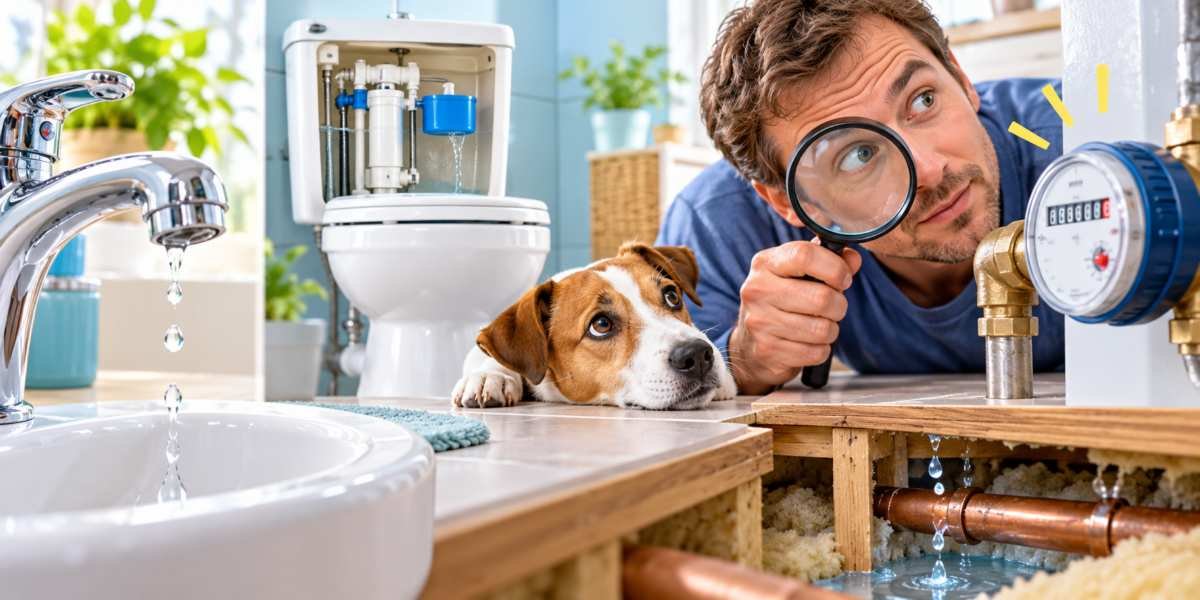
Water waste can continue for weeks or months before anyone notices, particularly when the problem occurs inside a toilet cistern, behind a wall or beneath flooring. Recognising the quieter warning signs can help householders investigate problems earlier and avoid paying for water that has performed no useful function whatsoever.
Dripping Taps Are More Than an Irritation
A tap that drips every few seconds may seem too minor to deserve immediate attention. After all, each individual drop is tiny. The problem is that plumbing possesses considerably more patience than people do. A tap can continue dripping throughout the night, while everyone is at work and during that weekend when somebody definitely intended to repair it but somehow ended up watching television instead.Worn washers, damaged cartridges, deteriorated seals and problems with valve components can all cause persistent dripping. Apart from the sound, householders may notice staining around the plughole, increased limescale deposits or a tap that becomes progressively more difficult to shut off completely.
Ignoring the problem can also allow wear to worsen. What begins as an occasional drip may eventually develop into a steady trickle, turning a minor maintenance job into a considerably more wasteful one.
Running Toilets Can Be Surprisingly Secretive
A toilet does not need to be visibly overflowing to waste water. Faults inside the cistern can allow water to pass continuously into the bowl, where it quietly disappears into the drainage system. Because everything remains exactly where water is supposed to be, the problem can be remarkably easy to overlook.Listen carefully when the toilet has not recently been flushed. A faint hissing or trickling sound can indicate that the cistern is continually refilling. Another clue is movement on the surface of the bowl water or a thin stream running down the back of the pan.
Faulty fill valves, worn seals, incorrectly adjusted floats and defective flush mechanisms are common possibilities. A toilet that periodically refills itself for no apparent reason is also worth investigating. Toilets are useful household appliances, but they should not really be making independent decisions at three o’clock in the morning.
Concealed Leaks Leave Different Clues
Leaks hidden beneath floors, inside service ducts or behind walls require more attention because the escaping water may not immediately become visible. Depending on the location, it might drain away beneath the property, soak gradually into building materials or remain concealed within a void.Unexpected increases in metered water consumption deserve investigation, particularly when household routines have not changed. Other warning signs can include unexplained damp smells, discolouration, unusually warm areas of flooring, peeling finishes or the faint sound of water moving when every tap and appliance is switched off.
Where a concealed leak is suspected, avoiding unnecessary demolition is important. Establishing whether water is genuinely escaping, and narrowing down its likely location, should come before enthusiastically removing half the bathroom in pursuit of a suspicious noise.
Faulty Valves Can Waste Water Quietly
Valves are scattered throughout domestic plumbing systems, controlling everything from water entering a cistern to the supply feeding particular fixtures. When a valve stops closing properly, water can continue passing even when the system supposedly considers the job finished.Pressure-reducing valves, isolation valves and appliance inlet valves can all develop faults. Some problems produce obvious symptoms, but others simply cause unusual water consumption, intermittent noises or persistent flows through overflow arrangements. Washing machines and dishwashers deserve attention too. If an appliance appears to be taking in water while switched off, its inlet valve may require investigation.
Overflow pipes provide another useful clue. Water occasionally dripping from an external overflow should not simply be accepted as one of the house’s little personality traits. It usually indicates that something upstream needs attention.
Your Water Meter Can Become a Detective
For homes with a water meter, a simple check can help reveal consumption that would otherwise remain hidden. Turn off taps and make sure toilets, washing machines, dishwashers and other water-using equipment are inactive. Then examine the meter and note the reading.If the meter continues registering usage when nobody should be using water, further investigation may be worthwhile. Taking another reading after a period of inactivity can make small discrepancies easier to spot. It is important to account for equipment that may operate automatically, however. Water softeners, heating systems and certain appliances can complicate the picture, so movement at the meter does not automatically identify a leak.
Regular meter readings can also reveal gradual changes. A sudden increase is conspicuous; a small increase repeated month after month is much easier to miss.
Small Signs Worth Watching
Many hidden plumbing problems reveal themselves through combinations of minor clues rather than one dramatic symptom. Householders can occasionally check for:- Taps that continue dripping after being firmly closed
- Toilets that hiss, trickle or refill without being flushed
- Unexpected increases in metered water consumption
- Overflow pipes that regularly discharge water
- Damp smells or unexplained changes to walls, ceilings or floors
- Sounds of flowing water when the property is otherwise quiet
Going With the Flow Can Cost You
The most wasteful plumbing problem is not always the one spraying water across the kitchen. Dramatic leaks receive immediate attention precisely because they are impossible to ignore. Quiet faults can be more persistent, allowing relatively small amounts of water to escape continuously over long periods.A few minutes spent listening for running toilets, checking taps, watching overflow pipes and comparing meter readings can therefore be surprisingly useful. Household plumbing normally operates quietly in the background, and that is exactly where it belongs. When water starts moving without being invited, even if it leaves no puddle behind, it is worth finding out where it thinks it is going.
Article kindly provided by safeplumbersglasgow.com