Decision Fatigue After Survival Mode
Storms demand rapid choices. Should furniture be moved away from windows? Is the power out? Where did the recycling bin go? By the time calm returns, the brain is exhausted from micro-decisions. This mental fatigue makes people postpone tasks that feel optional, complex, or emotionally heavy. Roof inspections land squarely in that category.Decision fatigue pushes people toward the easiest option, which is often doing nothing. Standing on solid ground feels safer than climbing ladders or making phone calls. The mind quietly argues that waiting a few days will not matter. Unfortunately, small delays can allow moisture to seep in, shingles to loosen further, and problems to quietly multiply.
Some homeowners compensate by creating artificial urgency. They treat post-storm checks like refilling the fridge after a power outage: annoying, necessary, and best handled immediately. Framing the task as routine maintenance rather than emergency response reduces resistance and keeps procrastination from winning the first round.
Visual Bias and the Illusion of “Looks Fine”
Human perception loves shortcuts. If the roof looks normal from the driveway, the brain happily stamps it as “safe” and moves on. This visual bias is powerful because storm damage is often subtle. Lifted shingles, hairline cracks, and compromised flashing rarely announce themselves with dramatic flair.From ground level, the roof becomes a distant abstraction. Sunlight hides dents, shadows mask gaps, and uneven angles trick the eye. Meanwhile, water knows exactly where the weak spots are and patiently waits for the next rainfall to prove its point.
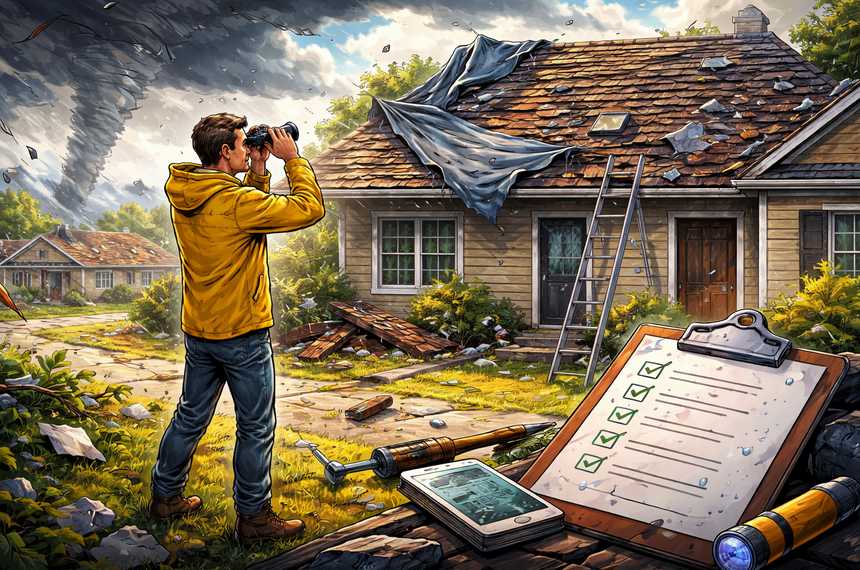
A simple countermeasure is changing perspective. Using binoculars, taking smartphone zoom photos, or viewing the roof from multiple angles interrupts the “everything is normal” assumption. The goal is not perfection but awareness. Seeing small irregularities early creates momentum toward action rather than comfortable denial.
Insurance Confusion as a Psychological Speed Bump
Insurance paperwork has a reputation that precedes it. Even people who enjoy assembling furniture without instructions tend to avoid claim forms. After storms, uncertainty about deductibles, coverage limits, and timelines causes homeowners to pause instead of proceeding. The brain interprets complexity as danger and chooses avoidance as a survival tactic.This hesitation often grows when people worry about “doing it wrong.” Will an inspection trigger a claim? Will calling someone increase premiums? These questions create mental traffic jams that delay practical steps. Clear information, written checklists, and understanding basic coverage terms reduce this friction and make the next move feel manageable rather than intimidating.
Post-Storm Inspection Framework That Actually Gets Used
Complicated systems rarely survive contact with real life. A practical inspection framework should fit into a single coffee break. The goal is not becoming a roofing expert but catching obvious issues before they evolve into expensive surprises.- Walk the perimeter and scan for fallen debris, bent gutters, or displaced shingles.
- Use a phone camera zoom to photograph suspicious areas for later review.
- Check ceilings and attic spaces for new stains or damp odors.
- Document everything with timestamps in case follow-up action is needed.
Serious Risks That Hide Behind Casual Delays
Ignoring roof damage is not just about aesthetics. Water infiltration can compromise insulation, weaken framing, and encourage mold growth. These consequences develop quietly and steadily, which makes them easy to overlook until repair bills start resembling small car payments.Structural issues can also affect energy efficiency. Gaps created by storm damage allow heat to escape in winter and enter in summer, turning HVAC systems into overworked employees who never get lunch breaks. Over time, this leads to higher utility bills and accelerated wear on mechanical equipment.
The serious reality is simple: the roof protects everything beneath it. Delaying inspections is rarely neutral. It almost always shifts risk forward into a more expensive future moment.
Turning Inspection Into Habit Instead of Reaction
Storm response works best when it feels routine rather than dramatic. Creating a post-weather ritual helps override emotional resistance. Some homeowners schedule a fifteen-minute “storm sweep” whenever severe weather warnings expire. Others tie inspections to existing habits like trash day or weekend yard checks.Consistency builds confidence. The more often people look at their roof, the easier it becomes to notice changes. Familiarity reduces anxiety and replaces uncertainty with pattern recognition. Over time, the roof stops being a mysterious object and becomes another part of home care that feels manageable.
Shingle Happens Staying Ahead of the Storm
Storms will always arrive uninvited and leave behind a trail of minor chaos. The psychological traps that delay inspections are predictable, which makes them easier to outsmart. Decision fatigue fades when checklists exist. Visual bias weakens when perspective changes. Insurance confusion shrinks when information is prepared in advance.Building smarter habits turns post-storm inspection from an emotional burden into a practical routine. When roofs receive attention early, they return the favor by protecting homes quietly and reliably. That calm after the storm feels much better when it is backed by action rather than hopeful guessing.
Article kindly provided by peaklineroofing.ca